Sea Freight for Used Clothing: Documentation, HS Codes and Customs
Used clothing exports live and die by paperwork. A guide to the documents, tariff codes and declarations that keep a container moving.
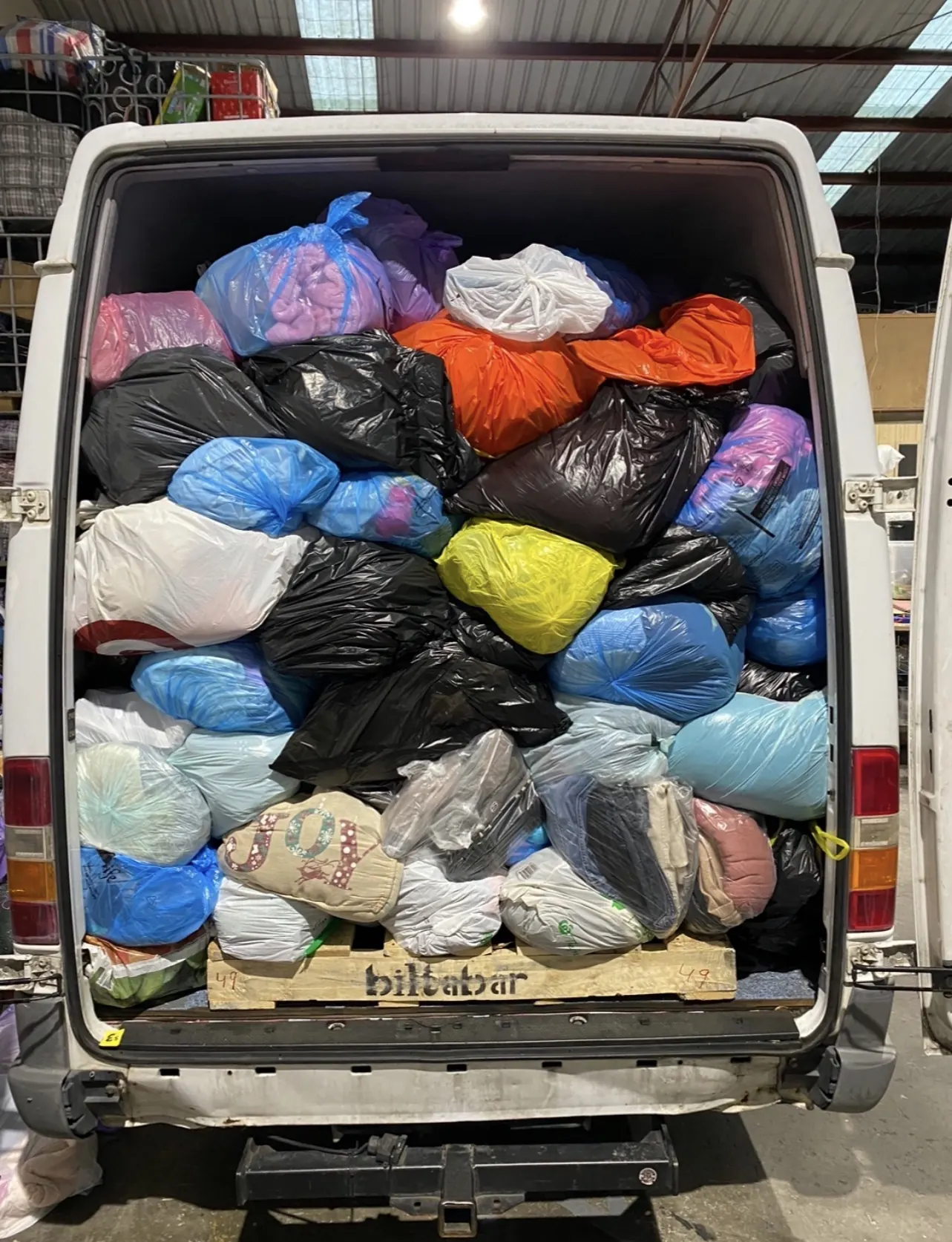
A container of secondhand clothing can be perfectly packed and still sit at the quay for weeks if the paperwork is wrong. Exporting used textiles is a documentation-heavy trade, and getting it right is non-negotiable.
The core export documents
Every shipment needs a commercial invoice, a packing list with weights and counts, a bill of lading, and a certificate of origin where the destination requires one. The packing list is the document customs officers actually read - list the bales, cartons and grades honestly.
HS codes for used clothing
Used clothing is most commonly classified under HS heading 6309 - worn clothing and other worn articles. Some destinations apply specific national extensions or require a pre-shipment inspection certificate. We will confirm the correct 8- or 10-digit code for your destination before sailing.
Common reasons containers are held
- Invoiced description does not match the packing list.
- Weight on the manifest differs from the weighbridge ticket.
- Missing or expired fumigation or inspection certificate.
- Prohibited or restricted items mixed into a bale.
Keep a single source of truth
Run every document off one set of figures: the same weights, the same counts, the same description. When the invoice, packing list and bill of lading all agree, containers clear faster.
Sourcing your next container?
Request pricing and availability for unsorted clothing bales, hard toys, bric-a-brac and bedding - packed and shipped to your destination.