Optimising Bale Weight and Stacking for Maximum Container Capacity
Compressed bales are only as efficient as the way they are stacked. Here is how weight tolerance, bale size and tier planning combine to fill a container.
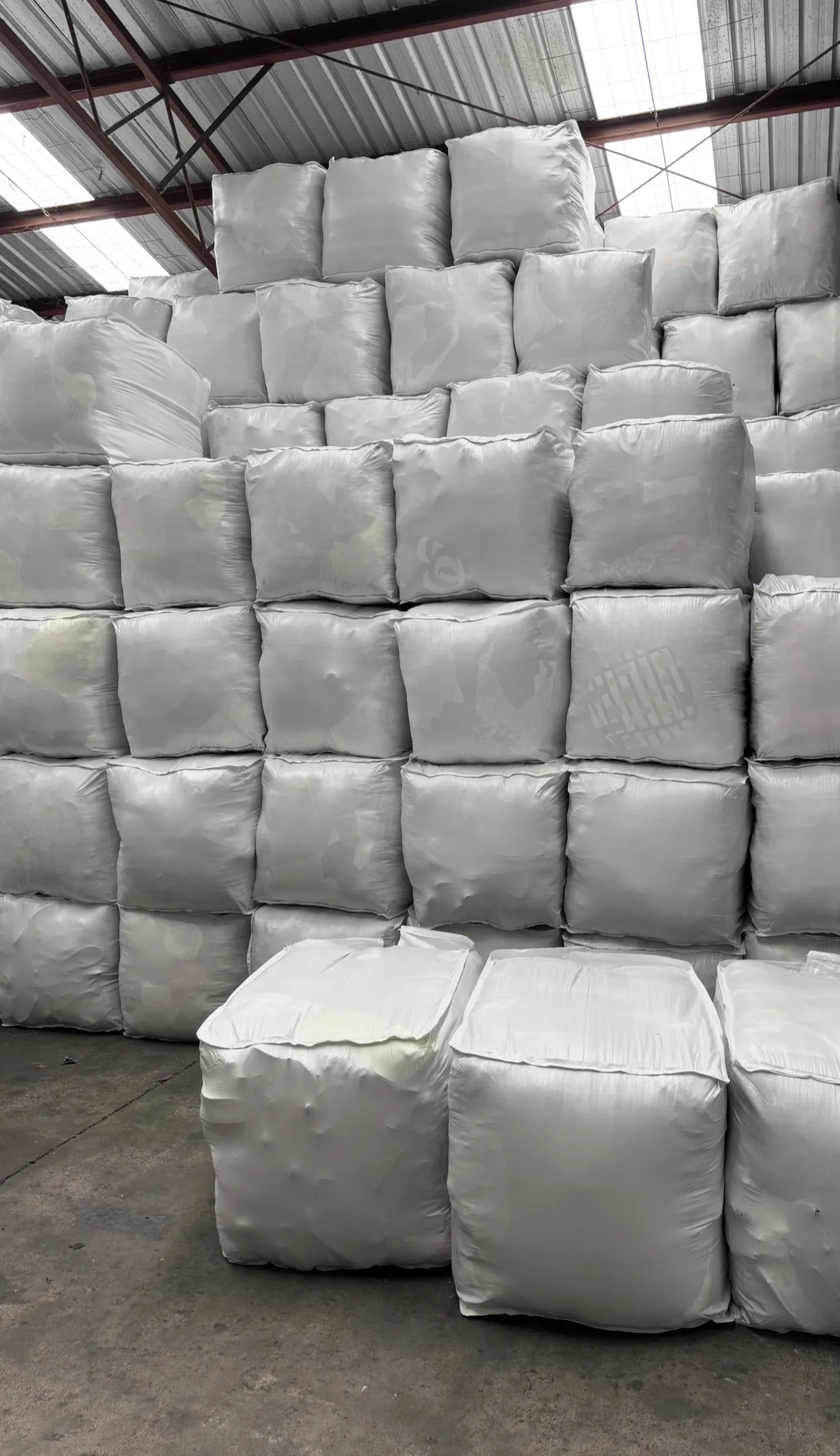
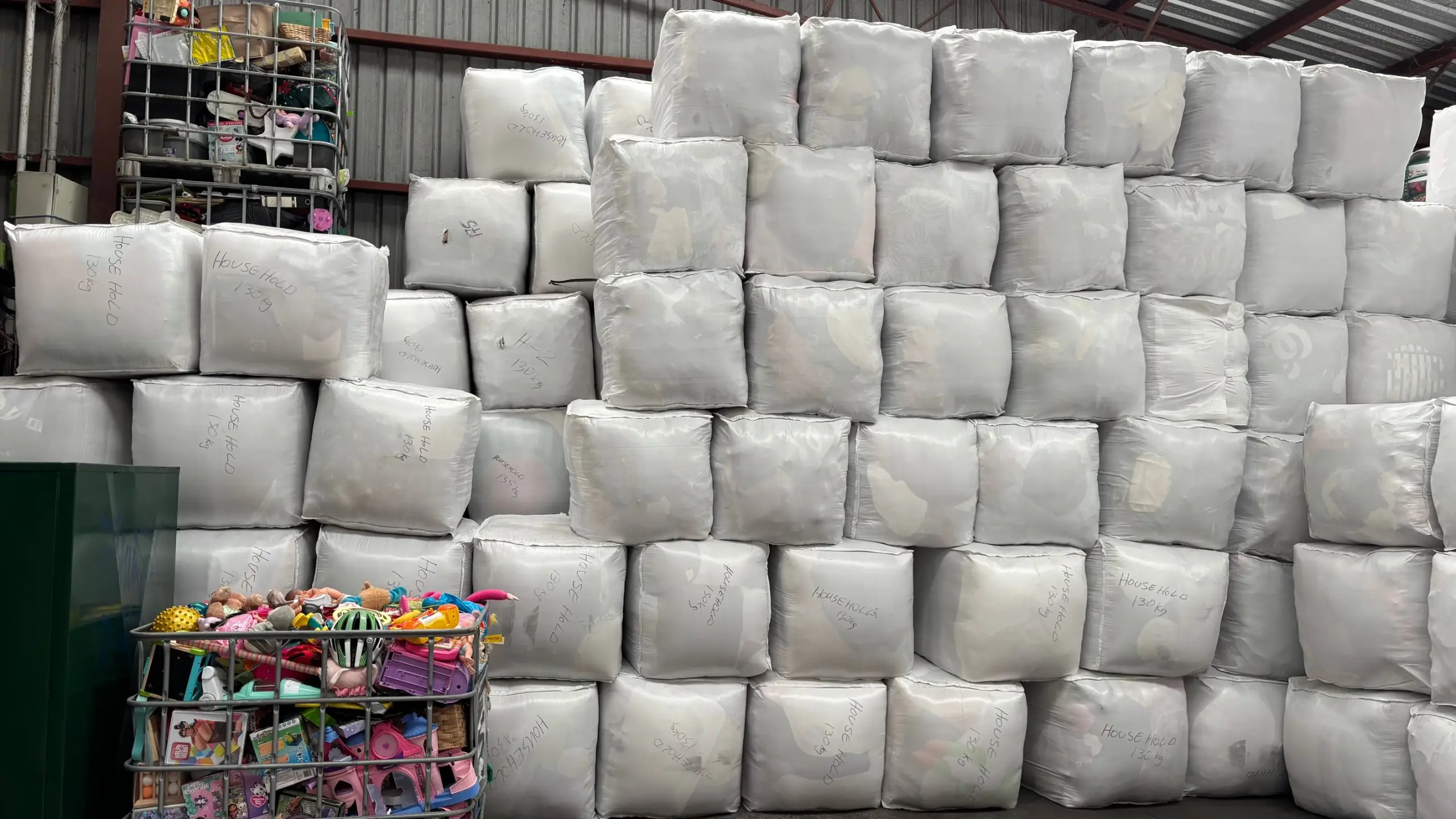
Container capacity is a simple equation on paper - volume minus voids - but in practice it is won or lost on the warehouse floor. Two loads of the same bales can land 15% apart in usable weight purely because of how they were stacked.
Start with a consistent bale size
Compressed bales pressed to a uniform footprint stack like bricks. Variation of even a few centimetres forces gaps that waste cubic metres. We press to a tight tolerance so the bales lock together with minimal void fill.
Match the bale weight to the route
Some destination ports weigh every container; others accept declared weights. Know which regime applies. If your route is weighbridge-enforced, keep the gross container weight under the limit with a buffer - an overweight container is held at port and re-handled at your expense.
Stacking rules that hold at sea
- Heaviest bales on the bottom tier, lightest on top.
- Interlock the top of each tier so it cannot slide.
- Brace the door end with dunnage or pallets.
- Leave the centre of the load tight, not loose.
Get the stacking right and you will pull more usable stock out of the same freight spend.
Sourcing your next container?
Request pricing and availability for unsorted clothing bales, hard toys, bric-a-brac and bedding - packed and shipped to your destination.