How DEK Clothing Loads Containers for African and Pacific Markets
From our Newcastle warehouse to ports across Africa and the Pacific - a look at how we plan and execute a mixed-goods container load.
Loading a container is not just about filling space - it is about delivering a load that your sorter can actually work through profitably. We plan every container around the destination market.
Understand the destination first
A buyer in West Africa wants a different bale mix than a buyer in the Pacific. Weight tolerance, the popularity of certain garments, and the local sorting infrastructure all shape the load. We map this before the first bale leaves the rack.
Mixed loads, planned as one
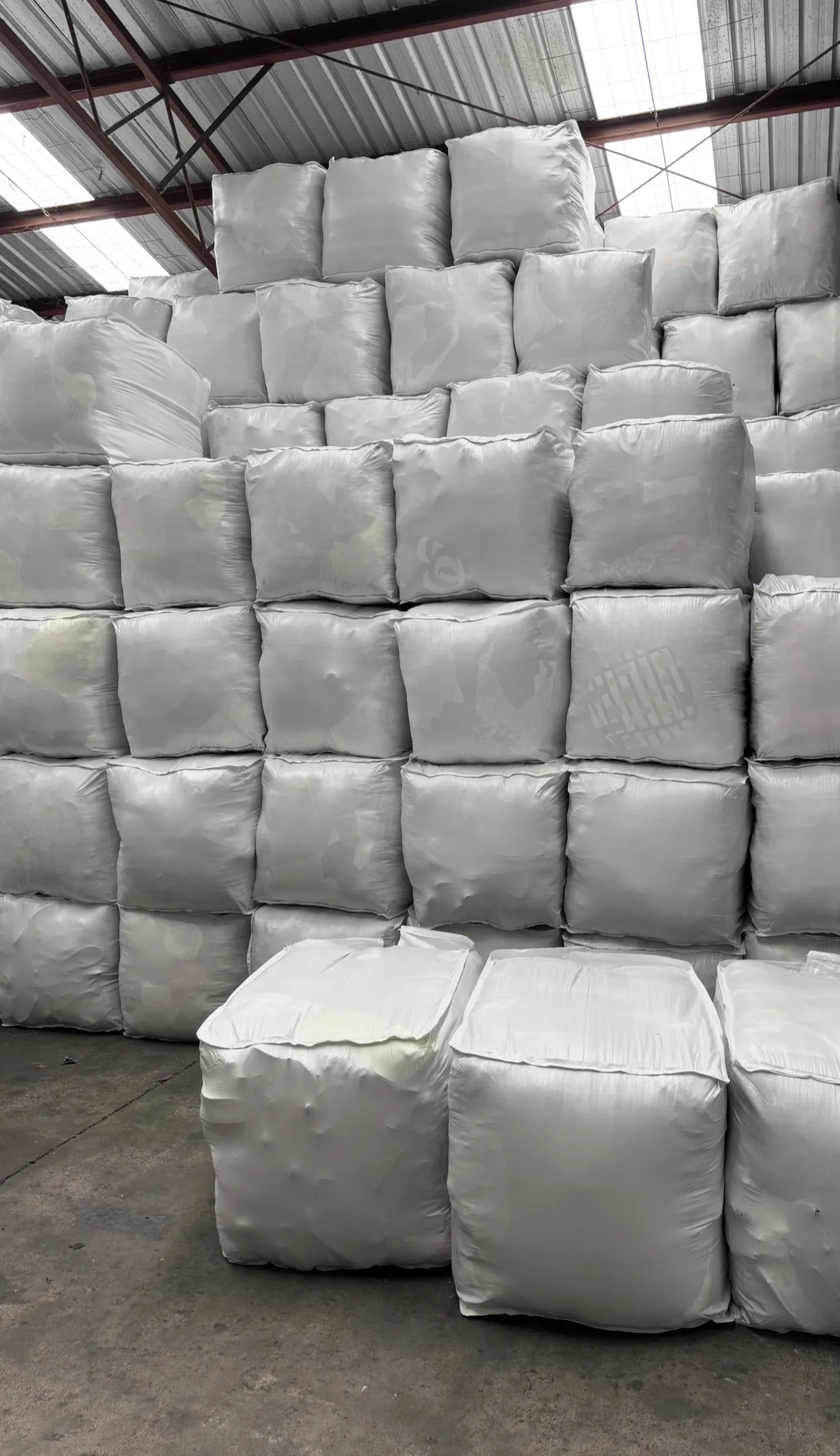
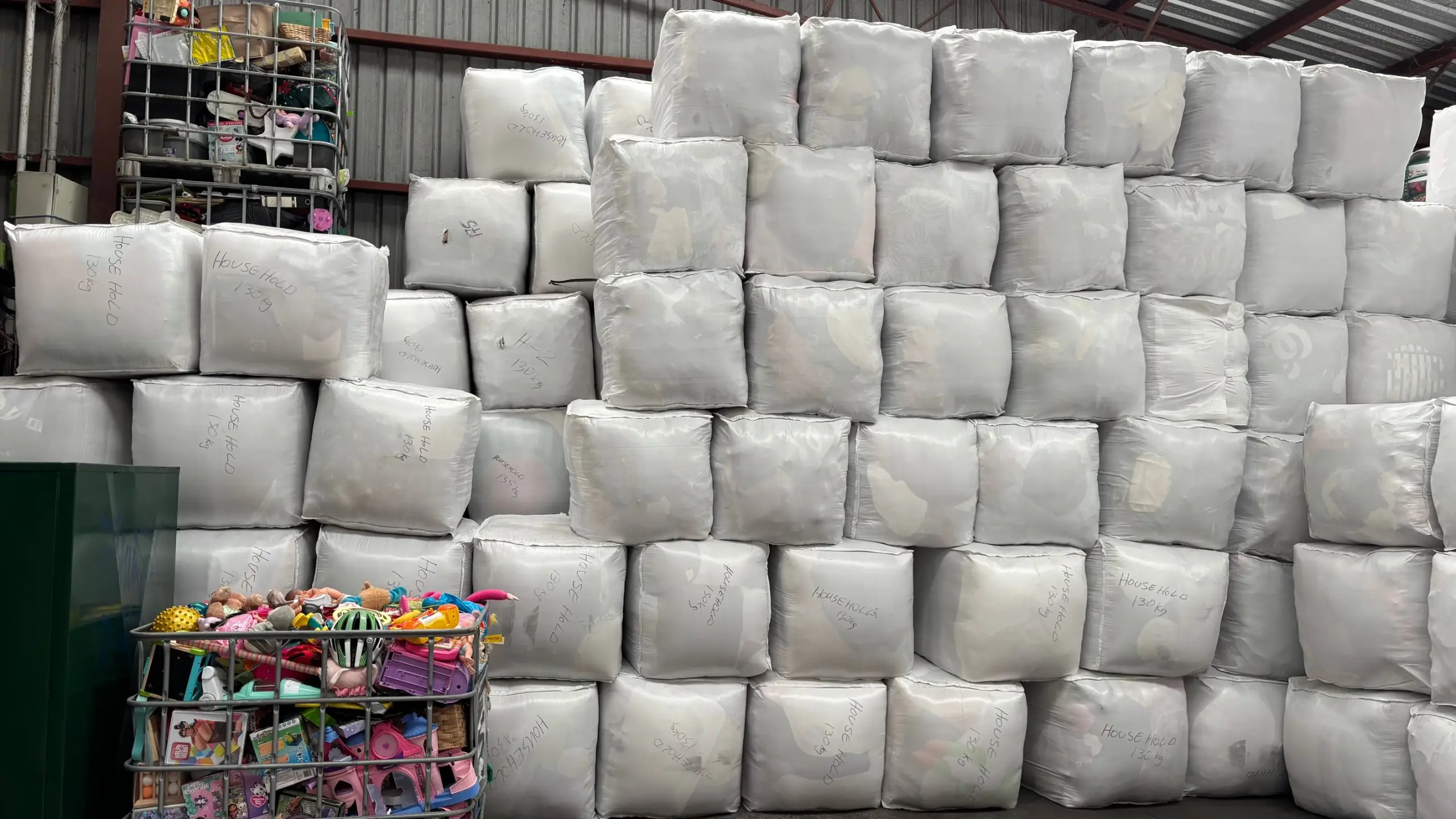
A typical DEK container for these markets pairs a wall of compressed clothing bales with cartons of hard toys, bric-a-brac and bedding. The bales are the tonnage; the cartons are the margin. Together they give the buyer a full shop in one shipment.
Loading discipline on the floor
- Bales pressed and weighed before loading.
- Cartons stacked square and interlocked.
- Door end braced so nothing shifts.
- Photographed and sealed before release.
That discipline is what turns a container into a repeat customer.
Sourcing your next container?
Request pricing and availability for unsorted clothing bales, hard toys, bric-a-brac and bedding - packed and shipped to your destination.