The Circular Economy and the Secondhand Textile Trade
Used clothing export is one of the largest working examples of the circular economy. What that means in practice.
The secondhand clothing trade is often talked about as a sustainability problem. In reality it is one of the largest, longest-running circular economies in the world.
What circular means here
A circular economy keeps materials in use. A garment donated in Newcastle that is sorted and resold in Lagos is in use for years longer than if it were discarded locally. Every extra use defers landfill and displaces new production.
The trade as a system
Collection, sorting, grading, export, resale - each stage extends the life of a textile. Our role is the export link: moving usable Australian stock to markets where demand for affordable clothing is high.
The honest limits
- Not every garment is reusable.
- Some fraction becomes wipers or rags.
- The system depends on clean, honest collection.
Done well, the trade is a genuine circular economy at industrial scale.
Sourcing your next container?
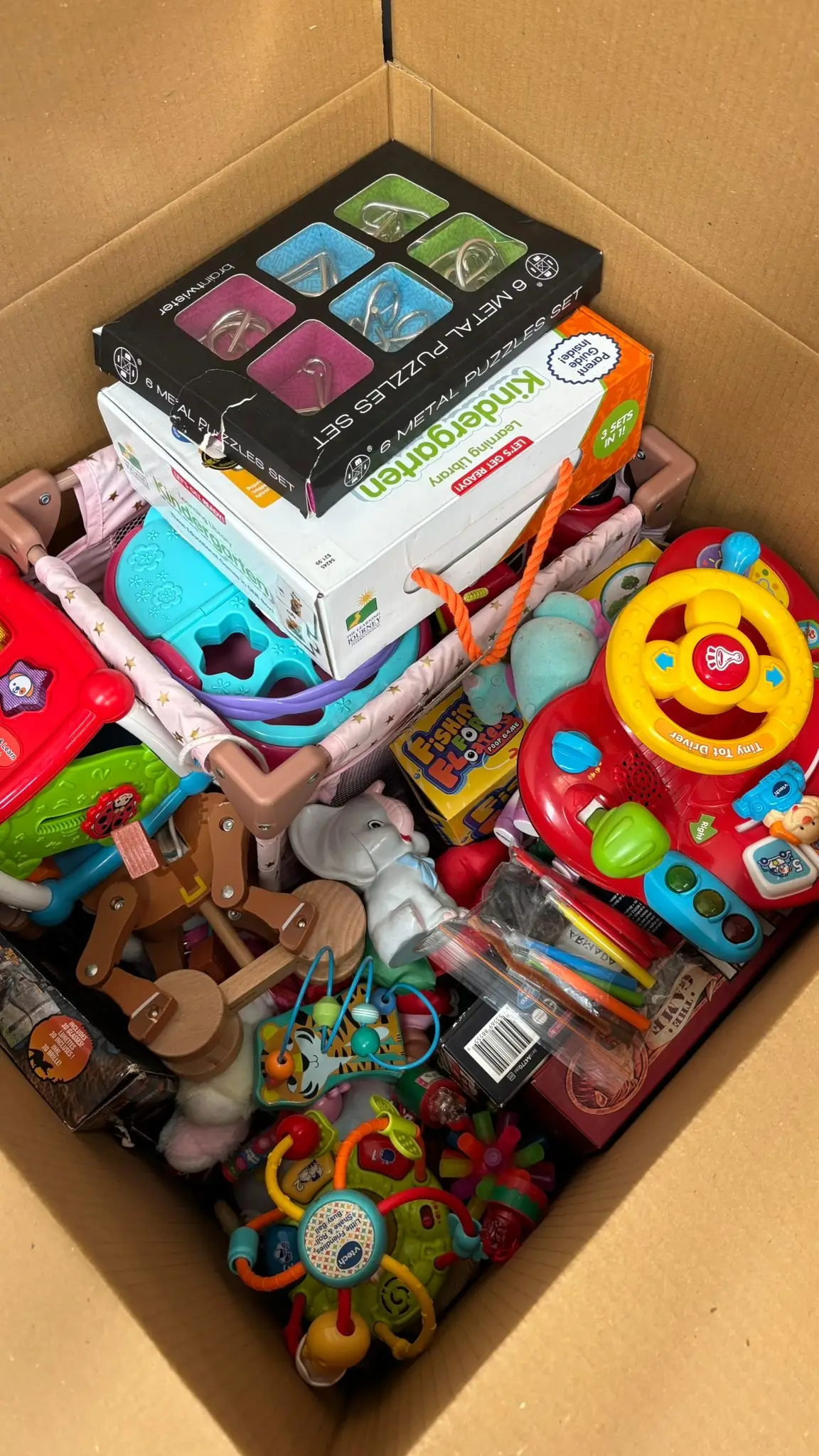
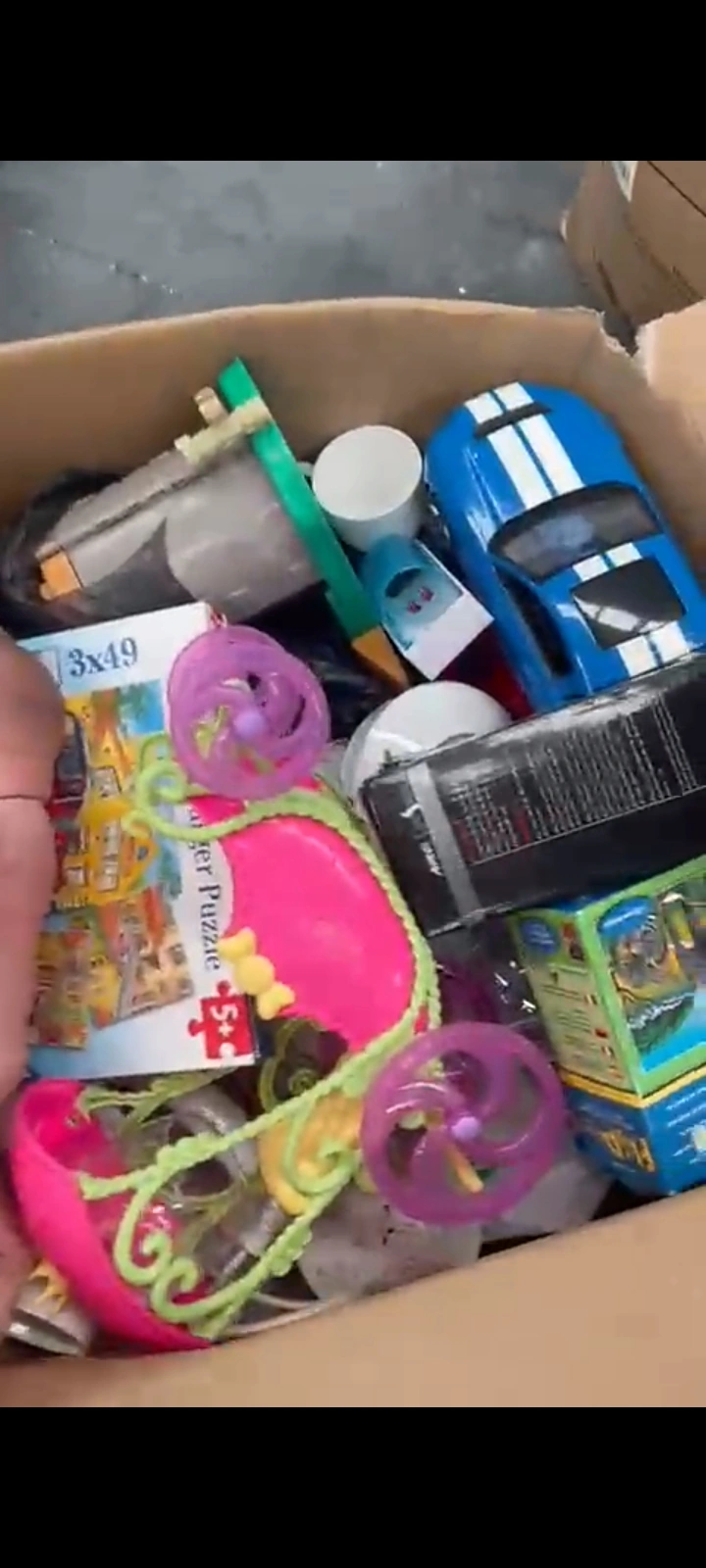
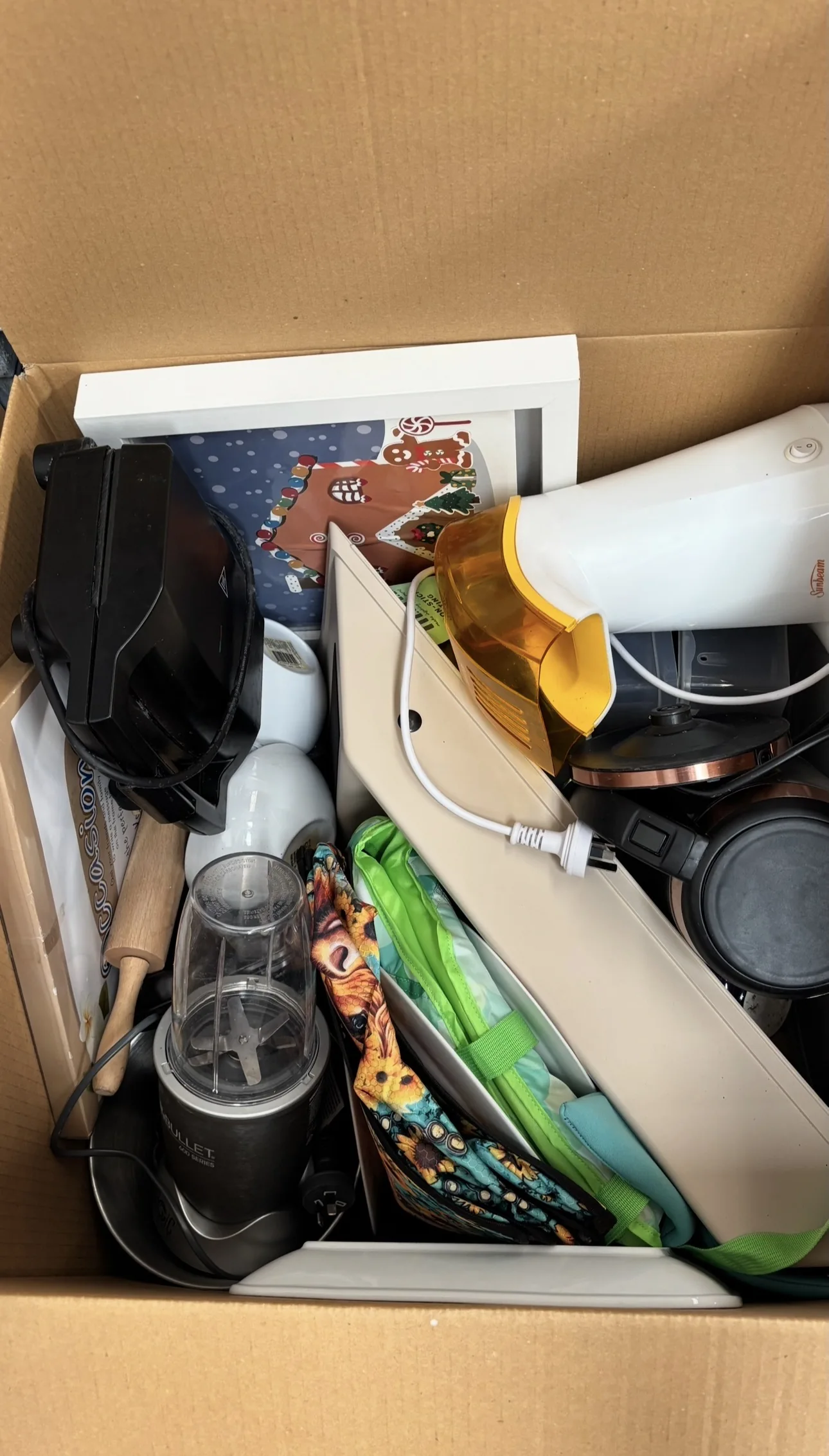
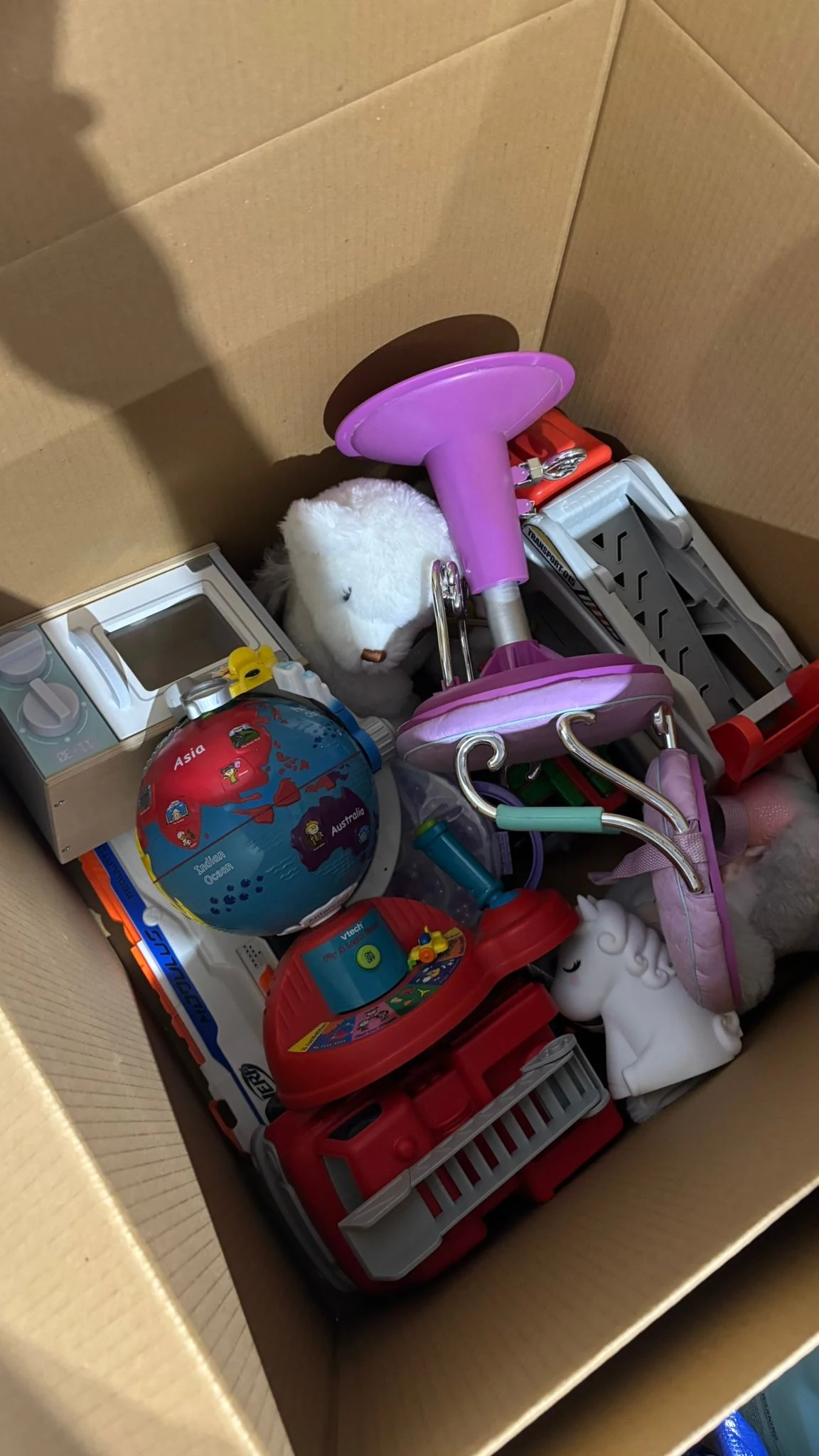
Request pricing and availability for unsorted clothing bales, hard toys, bric-a-brac and bedding - packed and shipped to your destination.